

Phytotherapy
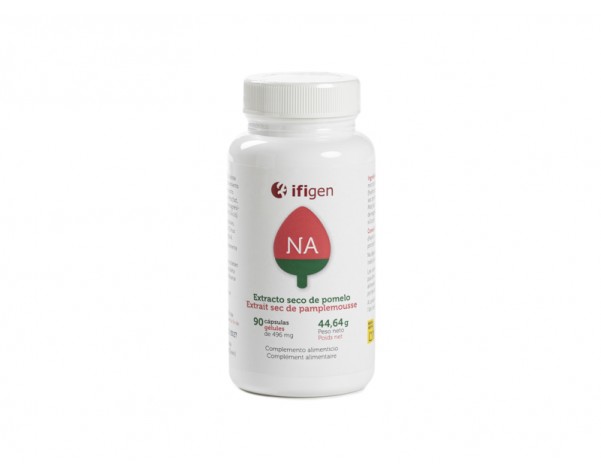
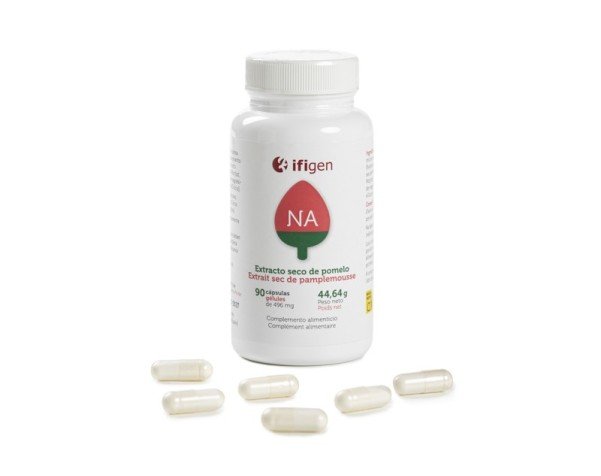
NA jar with 90 capsules
Ref. 81002
Disponible
€30.00




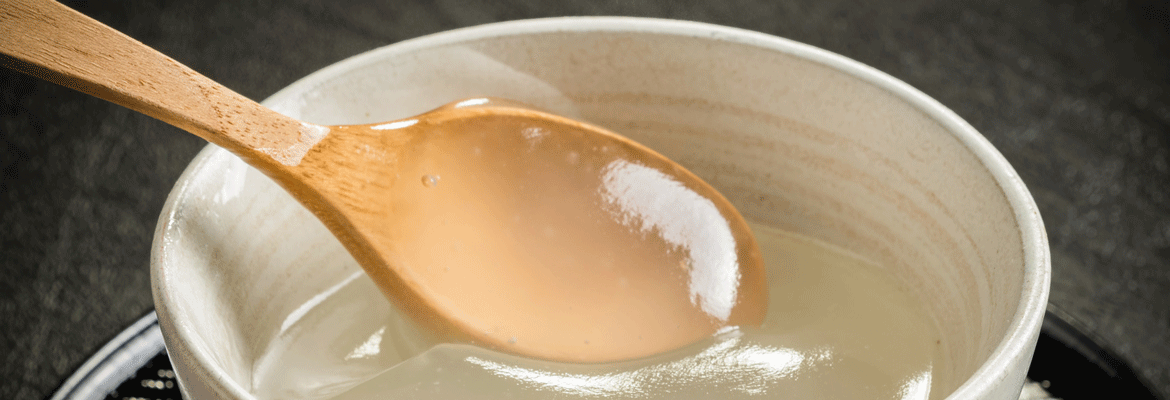
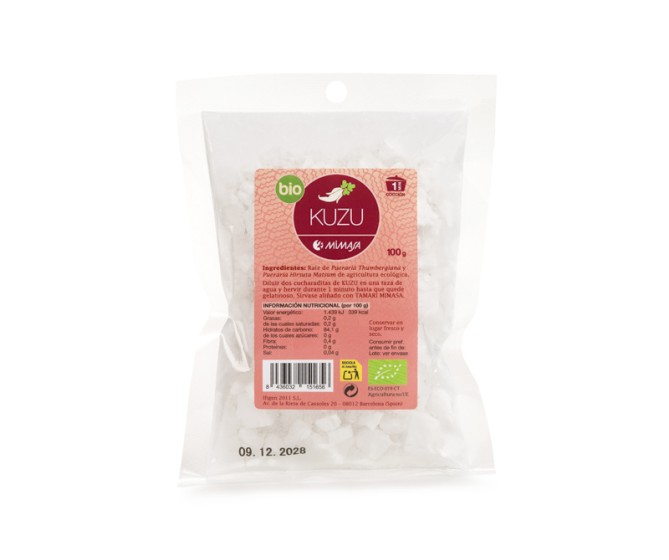
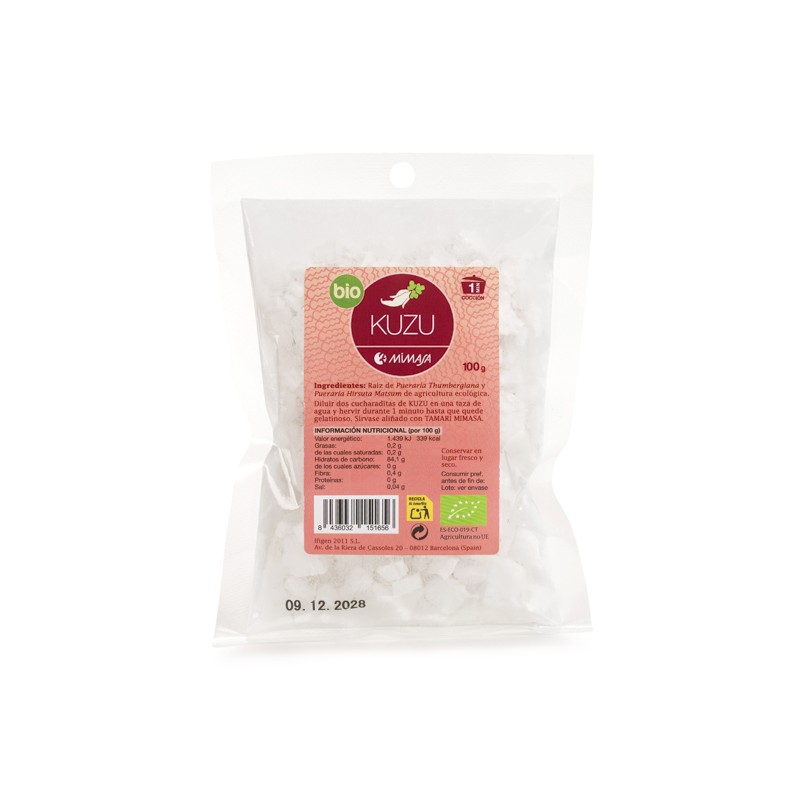
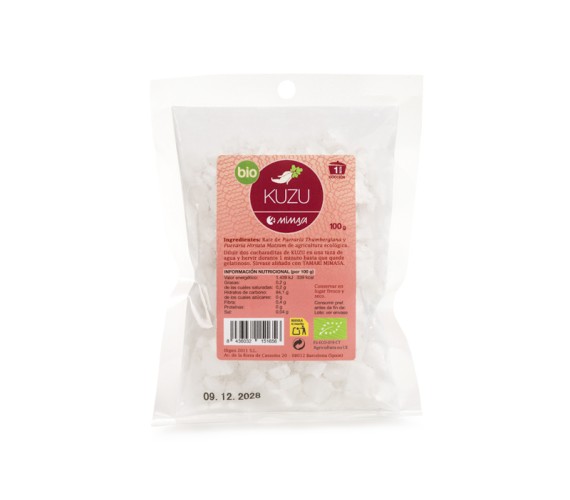
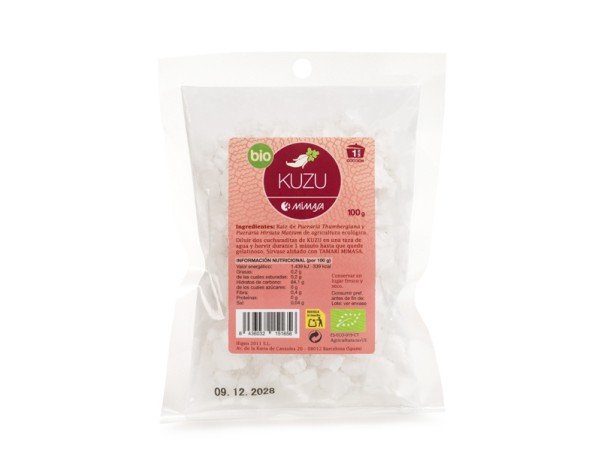
Kuzu – Mimasa
Kuzu is the processed root of Pueraria thunbergiana or Pueraria hirsuta Matsum. The preparation of kuzu has remained virtually unchanged for centuries. The roots, which can grow up to two meters in length beneath the soil, are harvested during the winter. Kuzu production consists of isolating the starches, removing the fiber and impurities, and finally air-drying the product.
It is very important to ensure the quality and purity of kuzu, especially in comparison with modern imitations made from arrowroot flour, sweet potato, corn, and similar ingredients. Although these substitutes are less expensive, they do not provide the same benefits as genuine kuzu. In contrast, MIMASA Organic Kuzu offers a complete guarantee of purity, with no additives or blends of any kind, ensuring the effectiveness of the authentic product.
MIMASA Organic Kuzu comes from Kagoshima Prefecture on the island of Kyushu, where it has been cultivated for more than 100 years and where 90% of Japanese kuzu is currently produced. MIMASA Organic Kuzu is made from roots that are between 5 and 10 years old and weigh approximately 10 kg. These characteristics are ideal for producing the highest quality kuzu.
After harvesting, the kuzu roots are ground and then washed several times with cold water to remove impurities until the water runs clear. Finally, the kuzu is thoroughly dried and left to rest for one and a half months. The result is a premium-quality kuzu with a firm texture. Its purity and intense white color are distinctive features of MIMASA Organic Kuzu, resulting from both the quality of the roots and the traditional production methods used.
Health Benefits and Traditional Uses
Traditionally, kuzu decoction has been used to promote perspiration and help reduce fever during colds and flu. Children are considered to have a naturally yang constitution, making the neutral nature of kuzu particularly suitable for them.
Kuzu helps remove excess water from the intestines while lubricating them, improving both diarrhea and constipation symptoms. It restores intestinal strength, supports normal peristaltic movement, and promotes a healthy balance of intestinal flora. For this reason, it is particularly recommended for constipation associated with intestinal dilation caused by excessive consumption of fruit, sugar, coffee, and artificial beverages.
Kuzu provides significant relief in cases of gastroenteritis or when the stomach cannot tolerate either liquids or solid foods. In cases of stomach ulcers, its gelatinous consistency helps protect the stomach lining and may support the healing process over several weeks.
Relaxing Properties
In Japan, kuzu is also used as a muscle relaxant and circulatory stimulant, helping to relieve muscular tension. Because it contains isoflavonoids, it may also help with conditions related to cerebral blood vessels, such as headaches, tinnitus, eye fatigue, irritability, insomnia, and similar symptoms. In addition, its consumption is believed to help stabilize the autonomic nervous system.
Kuzu is also effective in reducing convulsions and spasms in children, as well as stiffness in older adults, by promoting relaxation of the parasympathetic nervous system.
The isoflavones found in kuzu help relax tension in blood vessels, which may contribute to lowering blood pressure. They may also play a role in the prevention of heart attacks by relaxing arteries while simultaneously promoting healthy blood circulation. Finally, according to a study published in 1993 in the Proceedings of the National Academy of Sciences, kuzu extract may serve as a natural alternative in the treatment of alcohol and tobacco addiction by helping to reduce the consumption of both.
Prebiotic and Modulator of Serotonin and Neurotransmitters
Kuzu acts as a powerful prebiotic and gastric protector that helps balance the intestinal microbiota, where nearly 90% of the body's serotonin is produced.
Its consumption helps regenerate the digestive mucosa and supports the synthesis of this neurotransmitter thanks to compounds such as puerarin.
In addition, it contains isoflavones that act directly on the central nervous system, helping to modulate serotonin and other neurotransmitters in order to reduce stress and anxiety.
For all these reasons, it has been recognized as a valuable ally in addressing addiction-related problems, including those involving alcohol and other drugs.

| Average values | Per 100 g / 100 ml |
|---|---|
| Energy-kJ | 1439 |
| Energy (kcal) | 339 |
| Fat (g) | 0,2 |
| - Saturated (g) | 0,2 |
| Carbohydrate (g) | 84,1 |
| Fibre (g) | 0,4 |
| Salt | 0,04 |
Phytotherapy
Ref. 81002
Disponible
European seaweed
Ref. 18004
Disponible
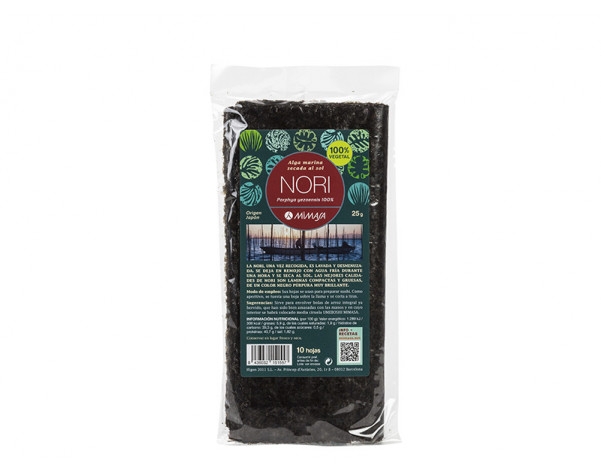
Japanese seaweeds
Ref. 14037
Disponible
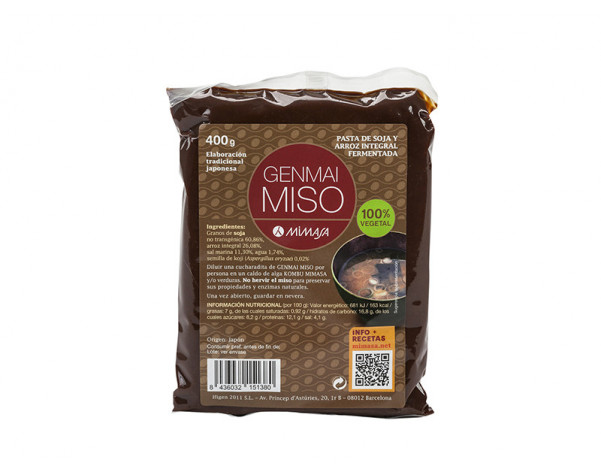
Misos
Ref. 14020
Disponible
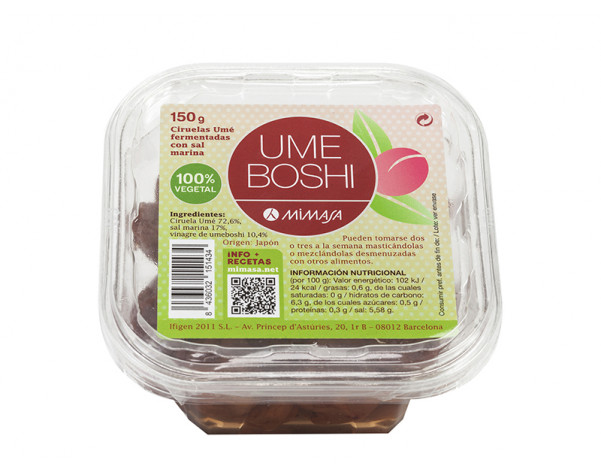
Umeboshi
Ref. 14024.M
Disponible
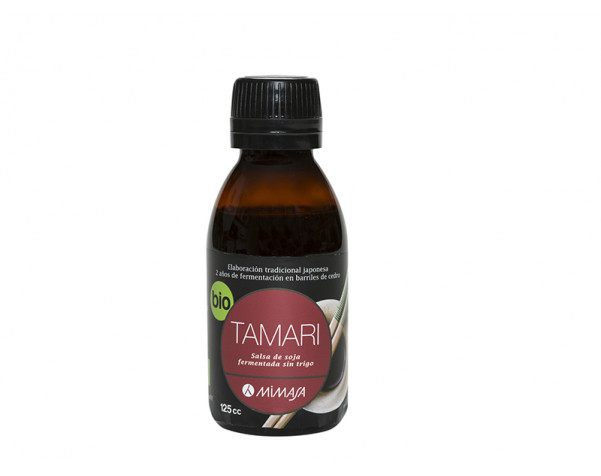
Soy sauces
Ref. 14011.M
Disponible
Japanese seaweeds
Ref. 14038
Disponible
Roots and other plants
Ref. 14053
Disponible
European seaweed
Ref. 18003
Disponible
European seaweed
Ref. 14068
Disponible
European seaweed
Ref. 18004
Disponible
Omega-3-Oligen
Ref. 83049
Disponible
Omega-3-Oligen
Ref. 83037
Disponible
Umeboshi
Ref. 14024.M
Disponible
Syrups
Ref. 80051
Disponible
Misos
Ref. 14020
Disponible
Phytotherapy
Ref. 81002
Disponible
Roots and other plants
Ref. 14053
Disponible